


Nobody told the dog about daylight saving time.
Twice a year, the clocks change, and twice a year our pets are left wondering what on earth happened. In the fall, we get a bonus hour of sleep. Our dogs and cats get breakfast an hour late, a walk time that makes no sense, and humans who have apparently lost their minds. In the spring, it flips: you’re dragging them out of bed an hour early and wondering why they look so offended.
If your dog is staring at you at 5 a.m. like you’ve forgotten something important, here’s what’s going on, and how to help them through it.
This Year’s Clock Change Dates
| Country | Fall back | Spring forward |
|---|---|---|
| US | Sunday, November 1, 2026 | Sunday, March 14, 2027 |
| UK | Sunday, October 25, 2026 | Sunday, March 28, 2027 |
Quick tips for the clock change
- Start shifting meals and walks 10 to 15 minutes a day, a few days ahead.
- Keep the order of the day the same, even if the times move.
- Don’t reward the 5 a.m. alarm. Feed during a calm moment.
- Open the curtains first thing so morning light can help reset their internal clock.
- Add a puzzle toy or an extra sniff walk while the schedule feels off.
- Use reflective gear on darker evening walks, and bring outdoor cats in a little earlier.
- Most pets adjust within a few days to a week. Seniors may need longer.
Your Pet Runs on a Clock You Can’t See
Dogs and cats don’t read clocks, but they’re incredibly good at keeping time. Like us, they have strong circadian rhythms, internal body clocks that are set by light and fine-tuned by routine. And they pay close attention to the patterns of your day: when the alarm goes off, when the coffee maker gurgles, when you reach for the leash. Your pet knows more about you than you might think, and your schedule is near the top of the list.
Over time, those routines become their schedule. So when the clock on the wall jumps an hour, your pet’s stomach doesn’t jump with it. As far as they’re concerned, dinner is late (or way too early), and they’d like to file a complaint.
Some file it louder than others. Somewhere out there is a cat who has decided that 4:47 a.m. is the new official breakfast time. Not 4:45. Not 5:00. 4:47. She will not be reasoned with, and she has your face on speed dial.
Signs Your Pet Has Noticed
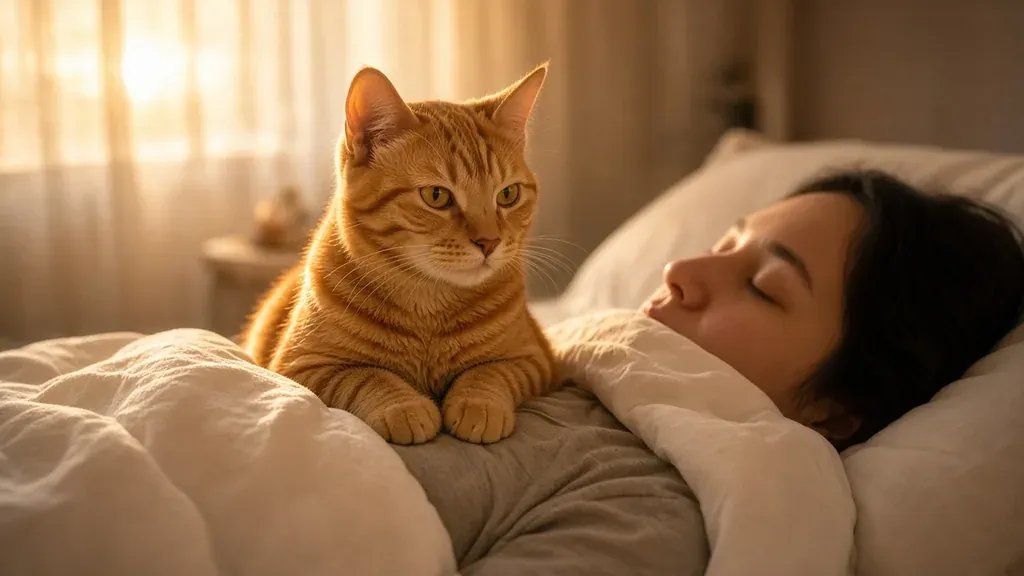
- The early wake-up call. After the fall change, expect a nose in your face, a paw on your cheek, or a cat parked on your chest an hour before the alarm. If you share the bed with your dog, you’ll be the first to know.
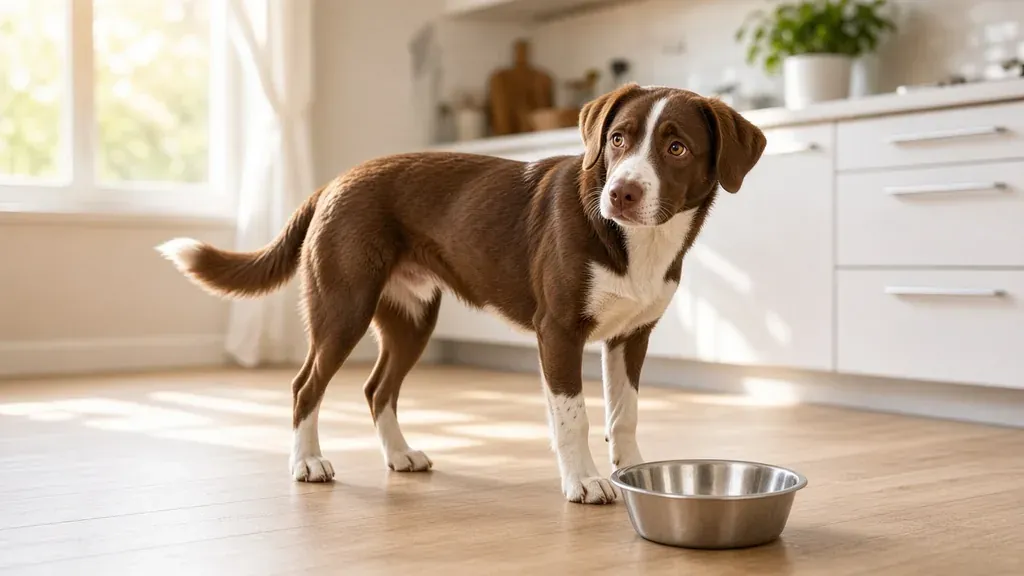
- Dinner-time drama. Pacing, whining, or sitting beside the food bowl and staring at you with deep disappointment.
- Evening restlessness. When darker evenings arrive sooner, some pets get antsy or start winding down earlier than usual. Others take the extra hour of darkness in the fall as a personal betrayal. Your dog didn’t agree to this, and he’d like you to know it.
- Bathroom timing changes. Dogs used to a set walk time may need to go out at what now feels like the “wrong” hour.
Most of this is mild and short-lived. It’s not a sign anything is wrong. Your pet is just running on last week’s schedule.
So, be honest: has your dog ever woken you an hour early after the clocks changed? Hold that thought (and maybe grab your phone). We’ll want proof.
How to Make the Switch Easier
1. Shift Things Gradually
In the days before the change, move meals and walks by about 10 to 15 minutes a day: later in the fall, earlier in the spring. By the time the clocks change, your pet will already be close to the new schedule.
2. Keep the Order the Same
Even if the times move, keep the sequence familiar: wake up, bathroom break, breakfast, walk. Pets find comfort in knowing what comes next.
3. Don’t Reward the 5 a.m. Alarm
If you hop up and serve breakfast the second your cat starts yelling, you’ve just taught them that yelling works. Wait for a calm moment, then feed them. (Yes, even the 4:47 cat.)
4. Let the Light In
Light is one of the strongest signals for resetting an internal clock. Open the curtains first thing in the morning, and if you can, get outside for a few minutes of daylight together.
5. Make the Most of Daylight Hours
In the fall, with the sun setting earlier, try to fit a walk or play session in while it’s still light. A tired dog adjusts much faster than a bored one, and a good burst of zoomies counts.
6. Keep Their Brains Busy
When the schedule feels off, a little extra mental stimulation goes a long way. Puzzle feeders, snuffle mats, a new toy, or a slow sniff walk can take the edge off the waiting.
7. Stay Safe on Darker Evenings
That evening walk may suddenly happen in the dark. Add reflective gear or a light-up collar, stick to familiar routes, and bring outdoor cats in a little earlier, before dusk.
8. Be Patient With Older Pets
Most pets settle into the new time within a few days to a week. Senior dogs and cats, and pets who are especially attached to their routine, can take longer. Go slowly and give them extra reassurance. Older animals thrive on routine, so consistency is your best tool.
Meanwhile, Across the Pond
The US and UK don’t change their clocks on the same day.
| US | UK | |
|---|---|---|
| Fall back | First Sunday in November | Last Sunday in October |
| Spring forward | Second Sunday in March | Last Sunday in March |
That means the UK usually falls back a week before the US, and the US springs forward a couple of weeks before the UK. So if your friends in Britain are complaining that their Labrador has started waking them at dawn while your pup is still sleeping in, now you know why. And to our British readers: welcome. Your dog got the memo before ours did.
The Silver Lining
Your pet’s confusion isn’t a problem. It’s proof. They’ve built their whole day around yours. So when the 5 a.m. nose-to-face routine starts after the clocks fall back, try to take it as the compliment it is.
How does your dog or cat handle the time change? Snap a photo of your furry alarm clock in action, share your early-morning wake-up stories (and survival tips), and tag us on Instagram or Facebook. We want the full report, bleary-eyed selfies included.