


Here’s a secret. The best dogs at the shelter aren’t puppies.
They’re the gray-faced ones sleeping in the back kennels. The ones people walk right past. The ones with names like “Duke” and “Bella” who’ve already lived a whole life before you met them.
And they’re incredible.
The Invisible Ones
Let’s talk numbers for a second. About 60% of young dogs get adopted. Puppies fly out of shelters like hotcakes. But senior dogs? Only 25% find homes.
The rest? Well, that’s a story nobody wants to read.
But here’s what kills me - these older dogs aren’t sitting in shelters because something’s wrong with them. Their owners died. Moved to assisted living. Had a baby. Got divorced. Lost a job. Life happened to someone else, and the dog paid the price.
Now they’re waiting. For you.
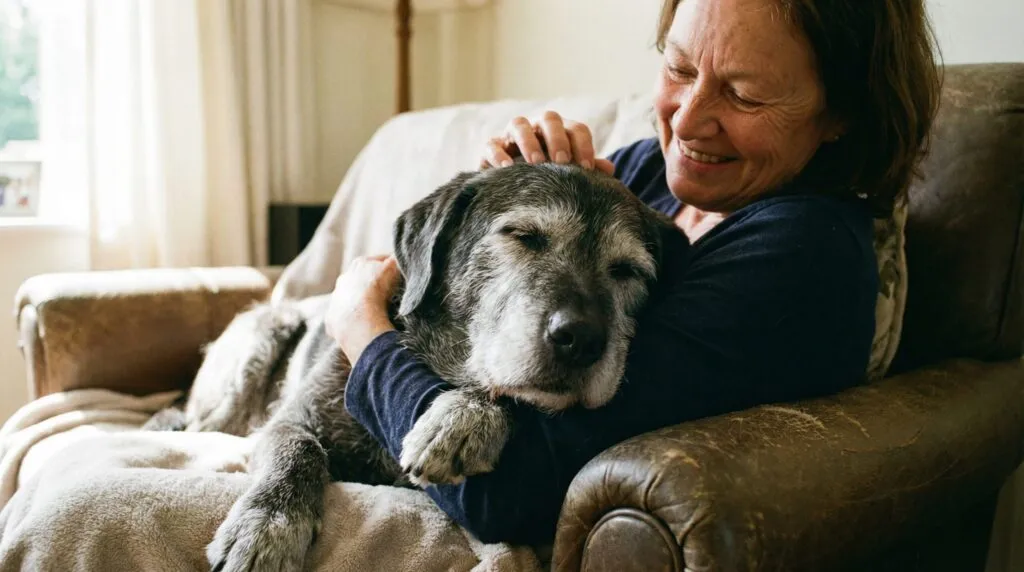
What You’re Actually Getting
Forget everything you think you know about “rescue” dogs. Adopting a senior isn’t charity work. It’s not noble. It’s not sad.
It’s smart.
Think about it. When you adopt a puppy, you’re gambling. Will he be hyper or chill? Friendly or aggressive? Will he destroy your couch or sleep on it peacefully? You won’t know for two years.
But a senior? What you see is what you get.
Walk into the kennel and meet them. If they’re cuddly, they’ll always be cuddly. If they ignore other dogs, they’ll keep ignoring other dogs. If they’re content with a short walk and a long nap, congratulations - that’s your life now, and it’s pretty damn good.
The Turn-Key Companion
Here’s what most seniors already know:
- Where to pee (not on your carpet)
- Basic commands like sit and stay
- That shoes aren’t chew toys
- That counters aren’t buffets
You know what puppies know? Nothing. Absolutely nothing. And they’ll chew your favorite boots while learning.
I’m not saying all seniors are perfect. But many of them come pre-programmed with the basics. Someone already did the hard work. You get to skip straight to the good part - the companionship.
The Gratitude Effect
Talk to anyone who’s adopted a senior. They’ll tell you the same thing.
These dogs know.
I can’t prove it scientifically. Maybe it’s anthropomorphization. Maybe I’m reading too much into those soulful brown eyes. But shelter workers see it, and adopters feel it - senior pets bond faster and deeper than younger animals.
It’s like they understand they got a second chance. And they’re not wasting it.
Let’s Kill Some Myths
“They’ll have behavior problems.”
Nope. The most common reason people surrender senior pets is human circumstances, not animal behavior. Your potential new friend didn’t do anything wrong. Life just got complicated for the person who had them before.
“I won’t have enough time with them.”
This one hurts, I know. But here’s the reframe: it’s about quality, not quantity. You’re giving them a loving final chapter instead of a cold kennel. That’s not sad. That’s heroic.
And yeah, the heartbreak will come. The heartbreak of losing them is the price you pay for the privilege of loving them. But that’s true whether you have them for three years or thirteen.
“They’ll cost a fortune in vet bills.”
Maybe. But puppies aren’t cheap either. Add up the vaccine series, spay/neuter surgery, training classes, and everything they destroy while teething. Plus, most seniors come already fixed and vaccinated.
You’re not necessarily saving money. But you’re not definitely spending more, either.
The Reality Check: What They Actually Need
Let’s get practical. Because seniors do have needs.
Health Stuff You Should Watch
Arthritis is common. You’ll notice stiffness after naps or hesitation before jumping. Totally manageable with supplements and pain meds.
Dental disease is the big one. Get their teeth checked. Bad teeth can lead to heart and kidney problems. A dental cleaning might cost you a few hundred bucks, but it’s worth it.
Some vision and hearing loss is normal. They adapt incredibly well. You might need to use hand signals or stomp your foot so they feel the vibration. They figure it out.
And for cats especially, watch for increased thirst or more frequent urination. That can signal kidney issues. Caught early, you can manage it for years.
Make Your Home Senior-Friendly
Nothing crazy. Just some thoughtful adjustments.
Get them good bedding. Orthopedic beds support aging joints. Your senior will spend a lot of time sleeping - make it comfortable.
Add some ramps or steps. If they like sleeping on your bed or couch, give them an easy way up. Jumping gets harder as they age.
Elevate their food bowls. Reduces neck strain. Especially helpful for bigger dogs.
For cats, get low-entry litter boxes. High walls become gymnastics routines when you’re twelve years old.
Put down rugs on hardwood. Slippery floors are tough on weak hips. Yoga mats work great too.
Food and Supplements
Seniors need fewer calories than young athletes. Their metabolism slows down. Feed them too much and they’ll get fat, which makes arthritis worse.
Hydration matters. Especially for cats. Wet food helps with kidney function.
Consider glucosamine and chondroitin for joints. Omega-3s help with brain function and coat health. Your vet can recommend specific brands and dosages.
Your First Few Weeks Together
Okay, you’ve decided. You’re bringing home a senior. What now?
The 3-3-3 Rule
Remember this: 3 days to decompress, 3 weeks to learn the routine, 3 months to feel at home.
Don’t expect instant magic. Your new friend might be shut down at first. Scared. Confused. They just left everything familiar.
Give them time.
Create a Safe Zone
Set up one quiet room or corner that’s theirs. No kids. No other pets. Just their bed, their food, their peace.
Let them retreat there whenever they need to. Seniors can get overwhelmed easily. They need a sanctuary.
Routine is King
Feed them at the same time every day. Walk them at the same time. Predictability reduces anxiety.
Older animals thrive on routine. It makes them feel safe. And safe dogs are happy dogs.
The Part Nobody Talks About
There’s something profound about adopting a senior pet. Something that changes you.
You’re not just getting a companion. You’re giving dignity to an animal’s final chapter. You’re saying, “Your worth isn’t tied to your youth. You matter. You deserve love. You deserve a soft place to land.”
And in return? They’ll give you everything they have left.
The morning greetings. The grateful tail wags. The way they curl up next to you like they’ve always belonged there. The deep sighs of contentment when you scratch behind their ears.
It’s not a burden. It’s a gift.
Both ways.
What Happens Next
Your local shelter has seniors right now. Old friends waiting for someone to see them.
Go visit. Don’t just look at the puppies. Ask specifically to meet the seniors.
Sit with them. See who connects with you. Maybe it’s the dignified Lab mix who gently rests her head on your knee. Maybe it’s the grumpy cat who tolerates exactly three pets before walking away. Maybe it’s the small terrier who still has some pep but just needs someone to appreciate it.
One of them is yours. You just haven’t met yet.
And when you do? When you bring them home and watch them slowly realize this is forever?
You’ll understand what I’ve been trying to tell you.
The best part isn’t that you saved them.
It’s that they saved you right back.
Ready to meet your old friend? Visit your local shelter this weekend and ask to spend time with the seniors. Bring treats. Bring patience. Bring an open heart.
They’ve been waiting for you.