


Your dog is terrified. You know this. Every July Fourth, every New Year’s Eve, every random Tuesday when some neighbor decides to celebrate who-knows-what with bottle rockets - your dog becomes a trembling, panting mess hiding behind the toilet.
You’re not alone. Over two-thirds of dogs suffer from noise aversion. And here’s the part that might surprise you: the Fourth of July is the busiest day of the year at animal shelters across the country. Not because people are surrendering pets. Because dogs are escaping. Running. Panicking their way through screen doors and over fences they’d never attempt on a normal day.
So let’s fix this. Or at least make it better.
Why Fireworks Turn Your Dog Into a Wreck
First, you need to understand what’s happening in your dog’s brain. Because it’s not stubbornness. It’s not drama. It’s biology.
When a firework explodes, your dog hears a threat. Their ancestors survived by running from loud, unpredictable sounds - because in the wild, those sounds meant danger. Predators. Falling trees. Things that kill you. Your dog’s nervous system hasn’t gotten the memo that we’re just celebrating independence or counting down to midnight.
The booms come without warning. They’re irregular. There’s no pattern your dog can learn to anticipate. So their fight-or-flight system stays activated the entire time, flooding their body with stress hormones. Heart rate spikes. Blood pressure rises. Some dogs even get stomach problems from the cortisol surge.
It’s essentially a panic attack. And your dog has no idea it will ever end.
You’ll see the signs. Pacing back and forth, unable to settle. Panting when it’s not hot. Trembling. Hiding in closets or bathtubs or under beds. Some dogs whine or bark obsessively. Others try to escape - scratching at doors, breaking through windows, digging under fences. The desperate ones hurt themselves trying to get away from a threat they can’t see or understand.
Now that you know what you’re dealing with, let’s talk solutions.
Start Preparing Now, Not the Day Before
The worst time to address firework anxiety is when the fireworks are already booming. By then, your dog is in full panic mode, and panic doesn’t respond well to logic or training. The best interventions happen weeks or months before the event.
Desensitization Training
This sounds fancy. It’s not. Here’s what you do.
Find a recording of fireworks on YouTube or Spotify. Play it quietly - so quietly your dog barely notices. While it plays, give them treats. Play with them. Make it a positive experience. Do this for a few minutes each day.
Gradually - and I mean gradually, over days or weeks - increase the volume. Always pair the sounds with good things. Treats, games, belly rubs. You’re teaching your dog’s brain to associate those booms with rewards instead of danger.
Research shows this works. Counterconditioning has about a 70% effectiveness rate according to owner surveys. That’s better than most interventions. But here’s the catch: if your dog panics at any point during training, you’ve gone too fast. Stop immediately. A panicked dog isn’t learning that fireworks are safe - they’re learning that fireworks are exactly as terrifying as they suspected.
Create a Safe Haven
Dogs need a place to hide. Not because hiding is the solution, but because having a safe spot reduces panic. It gives them some control.
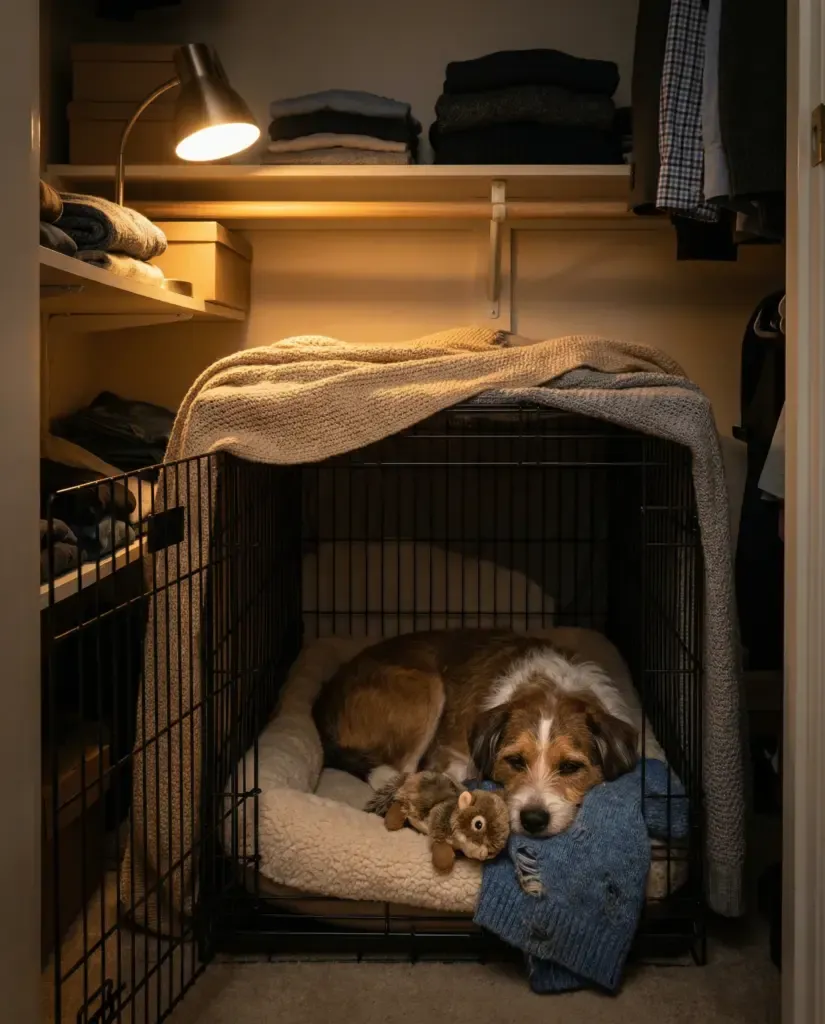
Pick an interior room with no windows if possible. A bathroom works well. A basement. A walk-in closet. Fill it with familiar things - their bed, favorite toys, maybe a shirt you’ve worn recently that smells like you. If your dog is crate-trained and finds their crate comforting, put it in this room and drape blankets over the top and sides to muffle sound and block flashes.
Here’s the important part: let your dog use this space regularly before fireworks season. Every day if possible. You want them to think of it as their sanctuary, not a place they only go when something scary happens.
Talk to Your Vet Early
If your dog has severe anxiety - the kind where they hurt themselves or destroy things or seem genuinely traumatized - call your vet now. Not the week before the Fourth of July when every pet owner in town is calling. Now.
Some medications need weeks to build up in your dog’s system before they work. Others need a test run to make sure your dog responds well. Your vet can help you figure out what your dog needs and get prescriptions filled before demand spikes.
Update Their ID
This feels unrelated. It’s not.
Panicked dogs escape. Even dogs who’ve never tried to escape before. They find ways out you didn’t know existed. So make sure your dog’s collar tags are readable and have your current phone number. Check that their microchip registration is up to date. Consider a GPS tracker if your dog is a serious flight risk.
Hope you won’t need any of this. Prepare like you will.
The Day of the Fireworks
You’ve done the prep work. Now it’s game day.
Tire Them Out Early
Take your dog for a long walk or play session in the afternoon, well before sunset. A physically exhausted dog is calmer than one with pent-up energy. They might even sleep through some of the noise.
Just make sure you’re home before fireworks could possibly start. People sometimes set them off earlier than expected. You don’t want to be caught outside when the first boom hits.
Feed Them Well
Give your dog their regular dinner before the festivities begin. A full stomach can have a mildly calming effect. This isn’t a magic solution, but it’s one small thing that might help. Don’t overthink it.
Lock Everything Down
Close all windows and doors. Pull the curtains. Double-check that gates are latched and any possible escape routes are blocked. Even if your yard is fenced, consider keeping your dog on a leash for bathroom breaks tonight. A startled dog can clear a fence they’ve never attempted before.
When the Fireworks Start
This is where it all comes together.
Drown Out the Noise
Turn on the TV. Play music. Run a white noise machine or a fan. You’re not trying to make the fireworks inaudible - that’s probably impossible - but you can make them less jarring by adding consistent background sound.
https://youtu.be/51LrVgWKTQE?si=USCZsAXMLaSa7F2K
Some people swear by classical music or playlists specifically designed to calm dogs. There’s actually some research supporting this. But honestly, anything that creates steady noise will help. The goal is to reduce the contrast between silence and explosion.
Be There
Don’t leave your dog alone tonight if you can help it. Your presence matters. Dogs look to their humans for cues about whether a situation is dangerous. If you’re calm and relaxed, it helps them feel safer.
And yes, you can comfort your frightened dog. There’s an old myth that comforting a scared dog “reinforces” their fear. Recent research doesn’t support this. Your dog isn’t being rewarded for being scared - they’re being supported through a genuinely terrifying experience. Sitting close, speaking softly, petting gently - these things help.
That said, don’t force interaction if your dog prefers to hide. Some dogs want to be held. Others want to be left alone in their safe space. Respect their choice.
Try a Pressure Wrap
Products like the ThunderShirt apply gentle, constant pressure around your dog’s torso. The concept is similar to swaddling an infant or using a weighted blanket for anxiety. About 44% of owners report it helps their dogs, which isn’t a miracle cure but isn’t nothing either.
If you go this route, introduce the wrap before the stressful night. You want your dog comfortable wearing it so the garment itself doesn’t add to their stress.
Consider Pheromone Products
Adaptil diffusers, sprays, and collars release synthetic dog-appeasing pheromones - basically the chemical signal mother dogs produce to calm their puppies. Some dogs respond well to these. Some don’t notice them at all. They’re safe to try and can be used alongside other interventions.
Plug in a diffuser near your dog’s safe space a few days before the event for best results.
Offer Distractions
Puzzle toys. Long-lasting chews. A Kong stuffed with peanut butter and frozen solid. If your dog is willing to engage with something enjoyable, it can take their mind off the chaos outside.
But don’t force it. A truly panicked dog won’t eat or play. That’s okay. The distraction strategy works for mild to moderate anxiety, not full-blown terror.
What About Supplements and Medications?
Let’s talk about what actually works.
The Supplement Reality Check
You’ll find dozens of calming supplements marketed for anxious dogs. Treats with chamomile, valerian root, L-theanine, CBD. Some owners report these help. The research is less encouraging - studies show most herbal remedies and supplements have effectiveness rates between 27% and 35%, which is about what you’d expect from a placebo effect.
That doesn’t mean they’re useless. If you think they help your dog, they might. The placebo effect doesn’t apply to dogs, but your own reduced anxiety when you’ve “done something” might help calm your pet indirectly.
If you want to try supplements, go ahead. Just don’t expect miracles. And always check with your vet first, especially if your dog takes any other medications.
When You Need Prescription Help
For dogs with severe anxiety - the ones who injure themselves, destroy property, or seem genuinely traumatized - medication isn’t cheating. It’s humane.
There are two main categories. Fast-acting medications like trazodone, alprazolam (that’s Xanax), and Sileo (an FDA-approved gel specifically for noise aversion in dogs) work within an hour or two and are given right before the stressful event. Then there are daily medications like fluoxetine (Prozac) and clomipramine that build up over weeks and reduce baseline anxiety long-term.
Your vet can help you figure out which approach makes sense for your dog. Some dogs do well with a fast-acting medication on firework nights alone. Others need daily medication during the whole firework season. Some benefit from combining both approaches.
Two critical points: never give your dog human medication without veterinary guidance, and test any new medication before the actual event. You need to know how your dog responds before you’re in crisis mode.
What Not to Do
Some well-meaning advice makes things worse. Avoid these mistakes.
Don’t take your dog to fireworks displays. This should be obvious, but people do it. Even calm dogs can panic when surrounded by explosions. Don’t risk it.
Don’t leave them outside. A panicked dog will find a way over, under, or through your fence. Keep them inside.
Don’t punish fear. Yelling at your dog for being scared doesn’t teach them that fireworks are safe. It teaches them that fireworks make you angry, which confirms there’s something to fear. Never punish anxiety.
Don’t act frantic yourself. Speaking in a rapid, high-pitched voice - “It’s okay it’s okay it’s okay!” - can signal to your dog that something is very wrong. Stay calm. Speak normally. Your energy matters.
Don’t rely on sedatives alone. True sedatives (as opposed to anti-anxiety medications) make your dog unable to react without reducing their fear. They might look calmer, but inside they’re still terrified. Work with your vet to ensure any medication actually addresses anxiety, not just mobility.
The Long Game
Here’s the truth: you probably won’t solve your dog’s firework fear in one season. But you can make it better over time.
Commit to desensitization training year-round, not just in the weeks before July. Dogs who fear fireworks often fear other loud noises too - thunderstorms, gunshots, motorcycles - so addressing the underlying noise sensitivity helps across the board.
If your dog’s anxiety is severe, consider working with a certified veterinary behaviorist. They can create a customized treatment plan combining medication, training, and environmental management.
And start earlier next year. The preparation you do in March makes July a lot easier.
The Bottom Line
Your dog isn’t being dramatic. They’re experiencing genuine terror, driven by millions of years of evolution telling them that loud unpredictable sounds mean death. They can’t reason their way out of it. They need your help.
So prepare ahead. Create a safe space. Tire them out. Stay calm. Mask the noise. Comfort them. Consider medication if nothing else works.
You can’t make fireworks disappear. But you can make them survivable.
And next year, start earlier. Your dog will thank you.