


Picture this: You settle onto the couch after a long day, and your cat hops up to join you. But instead of curling into a ball right away, they start doing something strange. Their paws begin rhythmically pressing into your lap, left then right, over and over.
Their eyes go half-closed. They might start purring. Maybe they even drool a little. Welcome to “making biscuits,” one of the most adorable and misunderstood things cats do.
That rhythmic kneading motion looks exactly like a baker working dough, which is how it earned its delicious nickname. But what does it actually mean? Turns out, science has some surprisingly sweet answers.
What Exactly Is Kneading?
Kneading is when cats push their front paws in and out against a soft surface, alternating between left and right in a steady rhythm. Each stroke takes about one to two seconds, and cats typically do this on blankets, pillows, or their favorite human’s lap.
Cat lovers have come up with all sorts of names for it: “making biscuits,” “baking bread,” “happy paws,” “playing the piano,” and even “mashing potatoes.” Whatever you call it, the behavior is instantly recognizable to anyone who has spent time with cats.
Vicki Jo Harrison, President of The International Cat Association (TICA), explains it simply: “Kneading is sometimes called ‘making biscuits’ because it resembles the way bakers knead dough.”
It Starts With Mom
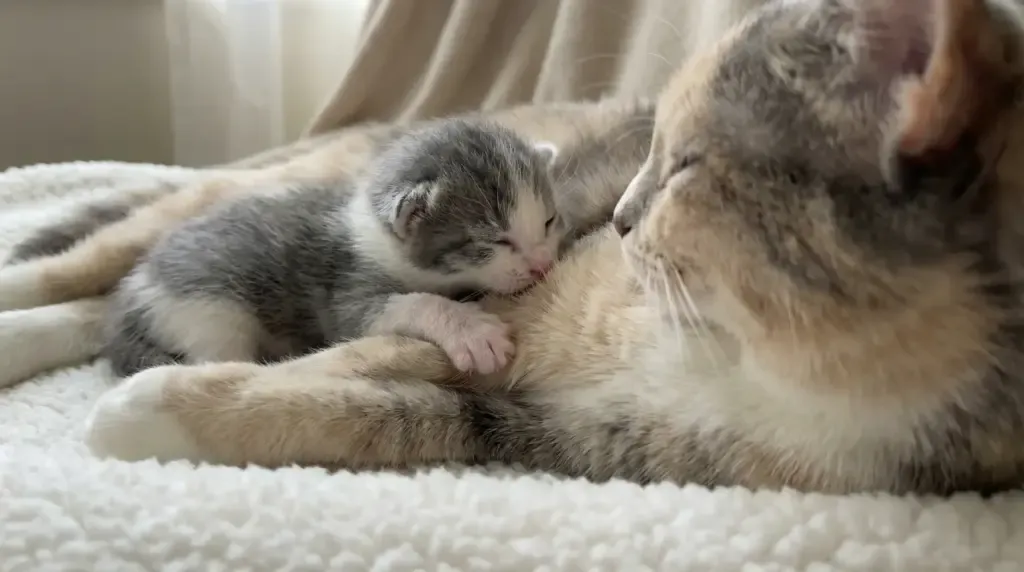
Here is where things get heartwarming. Kneading is not something cats learn. It is hardwired into them from birth.
Leticia Fanucchi, an animal behavior scientist at Oklahoma State University, explains: “The way the behavior starts is: they knead the mother’s mammary glands to actually suck the milk.” Kittens instinctively press their tiny paws against their mother’s belly to stimulate milk flow while nursing.
This means kneading becomes deeply connected to feelings of warmth, safety, nourishment, and love from the very beginning of a cat’s life. It is literally their first comforting experience in the world.
So when your adult cat kneads you? According to experts, they are recreating that feeling of total security they had as a kitten with their mother. You have become their safe place.
Your Cat’s Brain on Biscuits
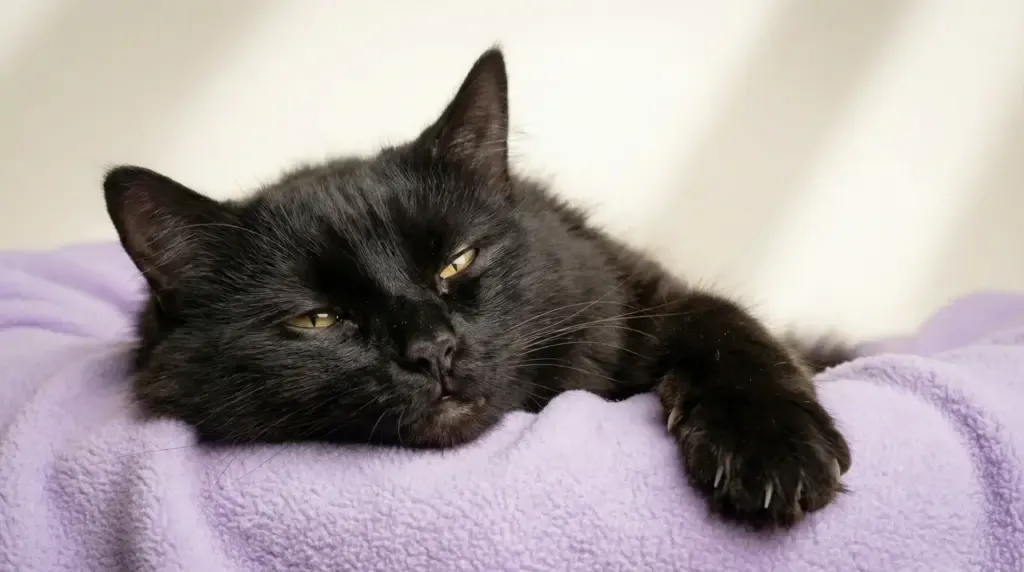
There is actual brain chemistry behind those happy paws. When cats knead, their brains release dopamine, the “reward” hormone that creates feelings of pleasure and satisfaction.
According to PetMD, “The action of kneading in cats causes the release of the pain-relieving, feel-good chemical dopamine in the brain.” This dopamine hit motivates cats to keep kneading because it genuinely feels good to them.
Kneading also releases endorphins, the body’s natural stress relievers. Think of it like a cat’s version of a spa day. The repetitive motion is soothing and calming, similar to how some humans find comfort in knitting or tapping their fingers.
Dr. Susan Nelson, a veterinarian at Kansas State University, notes: “Some of these cats start drooling as well when they knead. Those are the really happy guys.” If your cat drools while making biscuits, congratulations. You have achieved maximum cat bliss.
They’re Claiming You as Family
Here is something most people do not know: cats have scent glands in their paw pads. When they knead, they are depositing their unique pheromones onto whatever surface they are pressing into.
Dr. Lauren Finka, a cat behavioral expert from Cats Protection in the UK, explains: “There are quite a lot of scent glands around cat’s paws, so it may be that they knead us to deposit their scent.”
These pheromones are invisible and undetectable to human noses, but to other cats, the message is crystal clear: “This person belongs to me.”
When your cat kneads your lap, they are literally marking you as their territory. But unlike spraying or scratching, this is the friendliest form of claiming. They are saying you are part of their inner circle, their family, their safe space.
A Bond 10,000 Years in the Making
Cats and humans have been companions for roughly 10,000 years, since wildcats first wandered into early agricultural settlements in the Fertile Crescent looking for mice. The oldest evidence of a close human-cat bond comes from a burial site in Cyprus dating back 9,500 years, where a human and cat were laid to rest together.
Interestingly, Dr. Finka points out that domestic cats retain kitten-like behaviors much longer than feral cats do. “Kneading. Meowing. Purring. They’re all things that humans unknowingly encourage cats to maintain in their repertoire,” she explains.
Wild or feral cats typically stop kneading once they leave the nest. But because domestic cats live in social environments with humans throughout their lives, they keep these comforting, kitten-like behaviors going. In a way, your cat never fully “grows up” around you because they feel safe enough to stay a little bit kitten-like forever.
How to Handle Happy Paws
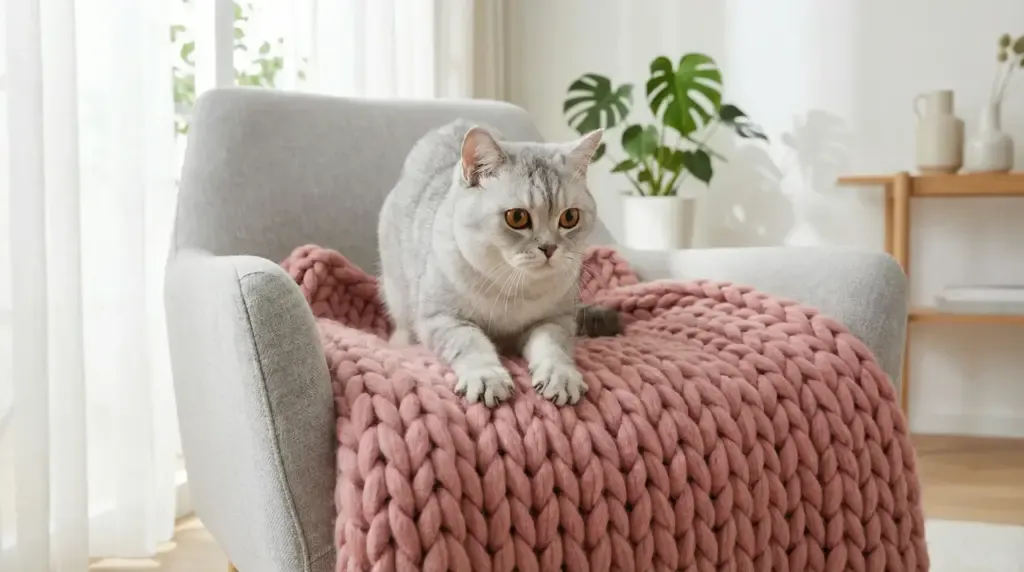
Kneading is completely normal and healthy. But those claws can sometimes make the experience a bit painful. Here is how to enjoy the moment while protecting yourself:
- Keep claws trimmed. Regular nail trims make kneading sessions much more comfortable for both of you. Most cats tolerate trimming once they get used to it.
- Use a blanket barrier. Keep a soft blanket or towel nearby. When your cat starts kneading, slip it onto your lap to protect your skin and clothes.
- Provide designated kneading spots. Give your cat a cozy blanket or pillow that is “theirs” for kneading. Some cats develop strong attachments to specific textures.
- Never punish kneading. This is a natural behavior rooted in trust and affection. Yelling, spraying water, or pushing your cat away can damage your bond and cause anxiety.
- Redirect gently if needed. If kneading becomes uncomfortable, calmly move your cat to a nearby blanket or pillow. Reward them with gentle pets when they continue kneading there.
Dr. Susan Nelson advises: “Try not to discourage kneading too much because they’re actually showing you a sign of affection.”
Common Myths About Kneading
“My cat doesn’t knead, so they don’t love me.” Not true. Dr. Finka notes there is simply “a lot of variability between cats, and how they choose to express themselves.” Some cats show affection through purring, rubbing, or just sitting near you. No kneading does not mean no love.
“Only kittens knead.” Many adult cats knead throughout their entire lives. It is not something they outgrow unless they lose the motivation because humans are not around to encourage it.
“They’re trying to get milk from me.” Your cat is not confused about where milk comes from. They are simply recreating the comfort and safety they associate with nursing, not actually expecting anything to come out.
“Kneading means they’re always happy.” Usually yes, but some cats also knead when anxious or stressed as a self-soothing mechanism. Pay attention to context and body language. If kneading becomes obsessive or is accompanied by signs of distress, check in with your vet.
Bonus: The Healing Power of Purrs
Many cats purr while they knead, and this combination might be even more special than it seems.
Cat purrs vibrate at frequencies between 25 and 150 Hz. Research by bioacoustics specialist Elizabeth von Muggenthaler found that these frequencies correspond to therapeutic frequencies used in medicine to promote bone healing and growth, reduce pain, and support tissue repair.
Scientific American notes: “Various investigators have shown that sound frequencies in this range can improve bone density and promote healing.” This may help explain why cats are remarkably good at recovering from injuries.
So when your cat is kneading and purring on your lap, they might literally be giving you a healing session. Not bad for a creature who also knocks things off tables for fun.
The Bottom Line
When your cat climbs into your lap and starts making biscuits, they are doing so much more than just being cute. They are telling you that you make them feel as safe and loved as they felt with their mother when they were tiny kittens.
They are releasing feel-good chemicals in their brain. They are marking you with their scent as part of their family. And they are continuing a behavior that has connected cats and humans for thousands of years.
As Dr. Katrina Warren, an Australian veterinarian, puts it: “Kneading is one of the purest displays of a cat’s trust in their human. It’s a reminder that they see you as family.”
So the next time those little paws start pressing into your lap, take it as the ultimate compliment. You have earned a place in your cat’s heart.
Does your cat make biscuits? Share your best kneading stories in the comments! And tag a fellow cat parent who needs to know what this adorable behavior really means.