
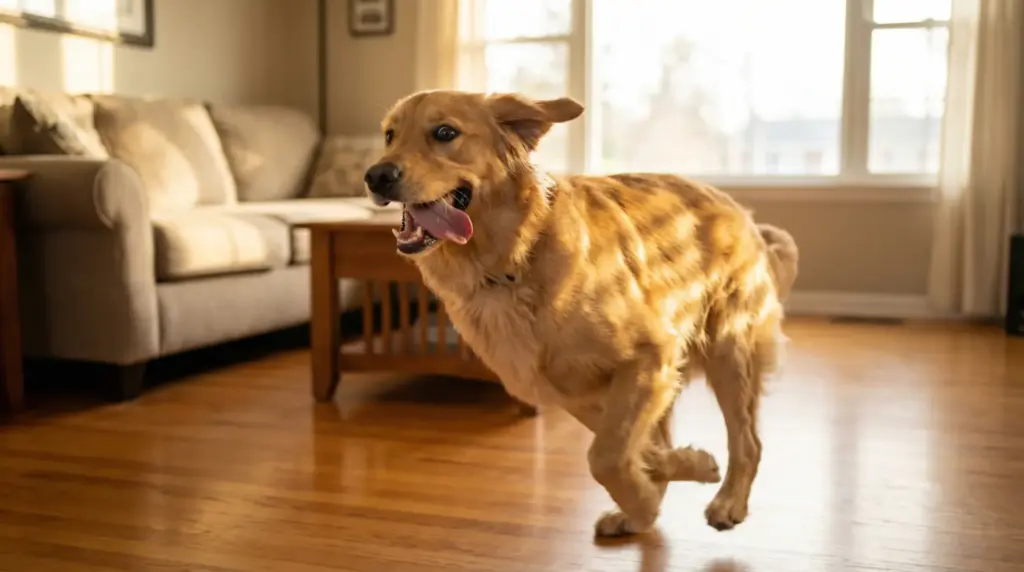
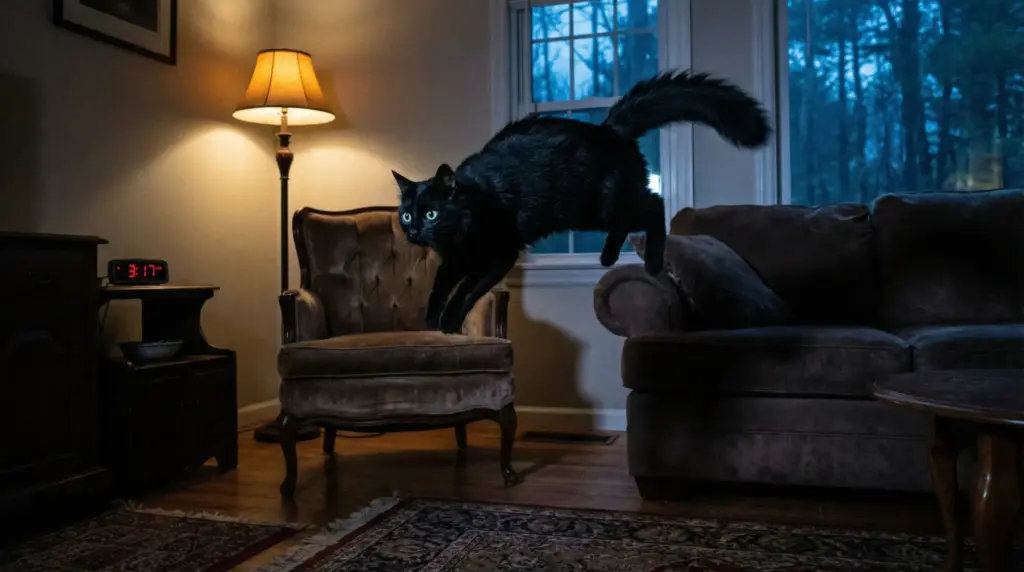
Your dog finishes dinner, gets a wild look in their eyes, and suddenly transforms into a furry tornado racing through your living room. Or it’s 3 AM and your cat is sprinting from room to room like the house is on fire.
Every pet owner knows this moment. You stand there, slightly bewildered, wondering if your beloved companion has completely lost their mind.
Good news: they haven’t. In fact, there’s a scientific name for this behavior. And according to veterinarians and animal behavior experts, it’s not just normal. It’s actually healthy.
What Are “Zoomies” Exactly?
Scientists call these episodes “Frenetic Random Activity Periods,” or FRAPs for short. But most of us just call them “the zoomies.”
You might also hear them called “midnight crazies,” “mad half-hours,” “crazy eights,” or (my personal favorite) “demon possession.” Whatever you call them, the behavior is unmistakable.
Your pet suddenly bursts into action. They run at top speed, often in circles. Their backend tucks under. Their eyes go wide. They might spin, leap onto furniture, or execute sharp turns that would make a race car driver jealous.
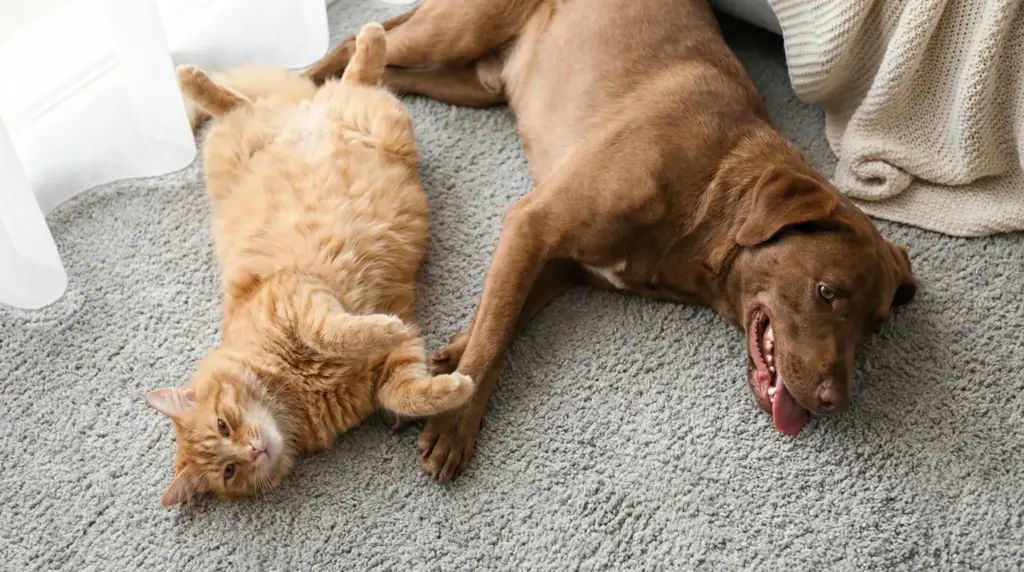
Then, just as quickly as it started, it’s over. They flop down, panting, as if nothing happened.
“They’re just having fun,” says José Arce, DVM, president-elect of the American Veterinary Medical Association. And he’s right. These bursts of energy are completely natural and are seen in many species, both domesticated and wild.
Yes, elephants get the zoomies. So do ferrets, horses, guinea pigs, and even deer. Rabbit zoomies have their own adorable name: “binkies.”
Is This Normal? Should I Be Worried?
Here’s the reassuring truth: zoomies are completely normal and healthy behavior.
One common misconception is that zoomies might be a sign of obsessive-compulsive disorder. They’re not. Dogs with OCD exhibit very different behaviors, like compulsive licking that causes skin damage, shadow chasing, or snapping at the air. Running joyfully around your house? That’s just your pet being a pet.
Dr. Marc Bekoff, professor emeritus of Ecology and Evolutionary Biology at the University of Colorado and a renowned ethologist, puts it simply: “Many dogs really enjoy zoomies and if they didn’t, it’s highly likely they wouldn’t engage in them. Zoomies surely are part of what it’s like to be a dog.”
FRAPs are most common in puppies and kittens, who have seemingly endless reserves of energy. But pets of all ages can experience them. In fact, senior dogs who still get the zoomies are often considered to be in excellent health.
The Science Behind the Madness
So why do pets suddenly transform into furry rockets? There are several reasons, and they’re all pretty fascinating.
Energy Release: The most common explanation is simple: your pet has built-up energy that needs an outlet. A dog who’s been home alone all day, or a cat who’s been napping for 14 hours (yes, cats really do sleep that much), has energy to burn. Zoomies are nature’s pressure valve.
Emotional Expression: Zoomies often happen during moments of high emotion: excitement when you come home, relief after a bath, or pure joy during playtime. Dr. Alison Gerken, a veterinary behaviorist at the San Francisco SPCA, notes that “FRAPs may release endorphins, causing a pleasurable or euphoric response.”
Natural Rhythms: Dogs tend to have energy peaks in the morning and evening, which likely connects to their ancestral hunting instincts. Cats are crepuscular, meaning they’re naturally most active at dawn and dusk. This explains why your cat picks 3 AM to practice their sprinting.
The Post-Poop Celebration: Here’s a fun one. Many pets get the zoomies right after doing their business. Scientists believe this might be connected to vagus nerve stimulation during bowel movements, which can create feelings of relief and even mild euphoria. Some researchers have actually called this “poo-phoria.” (Yes, really.)
Post-Bath Relief: Bath time zoomies are legendary. Your pet isn’t just trying to dry off (though that’s part of it). They’re also releasing the stress of being restrained, celebrating their freedom, and trying to get their familiar scent back after being doused in shampoo.

What to Do When Your Pet Gets the Zoomies
The short answer? Enjoy the show. But here are some practical tips to keep everyone safe and happy.
- Let them zoom. Don’t try to stop it. Your pet is having fun, burning energy, and possibly releasing feel-good endorphins. Dr. Bekoff’s advice: “Let ’em FRAP… and be sure that you watch them romping here and there.”
- Clear the runway. Move breakable objects out of the way. Block off stairs if your pet tends to zoom near them. Watch out for slippery floors, which can lead to wipeouts.
- Stand your ground (literally). Plant your feet in an athletic stance. A zooming dog can easily knock you over, especially if you’re caught off guard.
- Never chase. If you need to redirect your pet, don’t run after them. They’ll think it’s a game and run faster. Instead, try running the opposite direction. Curiosity usually wins.
- Redirect with treats. Scattering treats on the ground can snap your pet out of a zoomie. The act of sniffing and searching naturally calms them down.
- For cats at night: play before bed. A 15-minute play session in the evening, followed by a meal, can help your cat sleep through the night instead of holding a solo track meet at 3 AM.
When Should You Actually Worry?
In most cases, zoomies are just your pet’s way of saying life is good. But there are a few red flags to watch for.
Contact your vet if zoomies are accompanied by signs of distress (excessive panting, tucked tail, unusual vocalizations), if episodes last unusually long, or if the behavior is brand new in an older pet.
In cats, sudden increases in activity can sometimes indicate hyperthyroidism, especially in seniors. In dogs, what looks like zoomies might occasionally be an attempt to escape pain from arthritis or flea bites.
The key is context. Susan Hazel, Associate Professor at the University of Adelaide’s School of Animal and Veterinary Science, explains: “If the zoomies are occurring as part of your animal’s regular play routine, this indicates your animal is happy and enjoying themselves. We consider them a general indication of a high level of excitement, and likely a pretty good mood.”
Fun Facts to Share at Your Next Dinner Party
Now that you’re a zoomies expert, here are some conversation starters:
The term “zoomies” has been around since at least the early 2000s and is now officially recognized by Merriam-Webster and Cambridge Dictionary.
Wild animals get the zoomies too. Dr. Stanley Coren, a canine psychology expert, notes that “bursts of frenetic activity can be seen in wild animals ranging from ferrets to elephants.”
Zoomies are contagious. One dog zooming at the dog park can set off a chain reaction of FRAPs across the entire group.
Humans might experience something similar. Ever felt the sudden urge to dance, jump, or shake when you’re excited? That might be your version of the zoomies.
The Bottom Line
The next time your pet transforms into a four-legged rocket ship, don’t panic. And definitely don’t try to stop them.
They’re not broken. They’re not crazy. They’re just celebrating being alive in the most joyful, chaotic way possible.
So sit back, grab your phone (because let’s be honest, a good zoomie video is pure gold), and let them enjoy their moment of glorious, unbridled happiness.
After all, maybe we could all use a little more zoomies in our lives.
Does your pet get the zoomies? We want to hear about it! Drop a comment below and tell us your pet’s craziest trigger. Post-bath zoomies? 3 AM cat sprints? We’ve seen it all. And if this article made you smile (or finally explained your pet’s wild behavior), share it with a fellow pet parent who needs to know their fur baby isn’t broken. They’re just living their best life.